Delhi High Court on unilateral arbitrator appointments: three October 2026 rulings on neutrality, waiver and repeat appointments
In early October 2026 Division Benches of the Delhi High Court set aside awards made by arbitrators appointed unilaterally and directed the Reserve Bank of India to caution banks, after an affidavit disclosed 4,155 cases before one arbitrator.
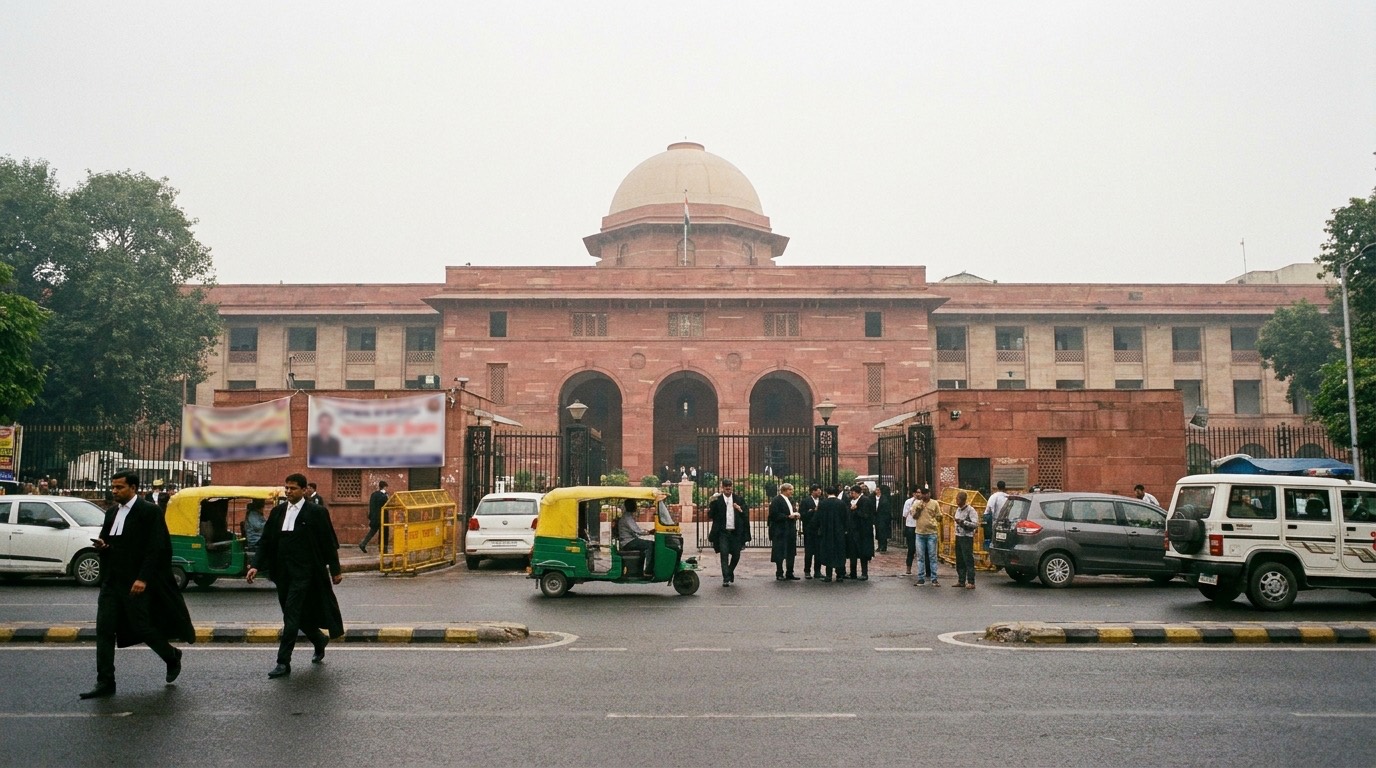
In the first week of October 2026 the Delhi High Court issued three rulings that, taken together, restate how strictly Indian courts treat arbitrators appointed by one party alone. On 6 October 2026, as reported by LiveLaw Biz, a Division Bench of Justices Anil Kshetarpal and Bharat Parashar decided two appeals: Newton Engineering and Chemicals v Indian Oil Corporation and Life Insurance Corporation of India v N.S. Associates. Separately, a Division Bench of Justices Prathiba M. Singh and Dinesh Bhatt in Shikha Ghosh v Axis Bank declared an award unenforceable and directed the Reserve Bank of India (RBI) to caution banks. The date of that order is not stated in the report, which was published on 6 October 2026.
What the court held
In Newton, Indian Oil Corporation had proposed three names for sole arbitrator and Newton selected one. The Court held that choosing from a panel curated by one side did not waive the ineligibility under Section 12(5) of the Arbitration and Conciliation Act 1996. It said that "the subsequent act of selection cannot retrospectively transform an unequal appointment process into an equal one", that a letter merely communicating the selection was not a conscious waiver, and that taking part in the arbitration could not replace the express written agreement the law requires. The award of 17 August 2023 and the District Judge's judgment were set aside, and the parties were left free to arbitrate afresh.
In LIC, an Executive Director of the corporation had appointed the sole arbitrator. A Single Judge had already found the appointment ineligible but set aside only the parts of the award the respondent challenged. The Division Bench set aside the entire award. It held that the defect went "to the root of the constitution of the Arbitral Tribunal" and that a party could not treat the tribunal as void for some claims while keeping the rest. Whether sums already paid can be recovered was left to the law.
In Shikha Ghosh, Axis Bank's affidavit stated that one arbitrator, Vikrant Bhardwaj, had handled 4,155 arbitrations for the bank over four to five years, and that about 76,000 awards had been passed pan-India by sole arbitrators in matters involving the bank. The Court called this the "most shocking aspect" of the affidavit and "the tip of an iceberg". It recorded that the bank's counsel conceded that awards from the bank's unilateral appointments are void, declared the award of 26 May 2023 unenforceable against the borrower, directed the RBI to caution all banks and consider guidance, and listed the matter for 17 November 2026 with affidavits due on 16 November.
What this means for contracts and disputes
This section is our analysis. These are decisions of one High Court on Indian statutory law, and the Newton and Shikha Ghosh decisions are reported through press summaries rather than the judgments themselves. They do, however, illustrate risks that any party doing business with Indian counterparties should price in.
- A one-sided appointment clause can destroy the award. Where a clause lets one party appoint the sole arbitrator or fix the panel, even a lengthy and fully argued arbitration may be set aside on a threshold point. The time and cost spent are lost.
- Waiver needs deliberate drafting. On the reported reasoning, participation and a selection from a restricted panel do not suffice. If parties want to agree on an arbitrator after a dispute arises, the agreement should be express, in writing and made with knowledge of the issue.
- Counterparty concentration is a red flag. Repeat appointment of one arbitrator by one institutional user raises questions of independence. Counterparties and counsel should ask for disclosure of prior appointments by the same party.
- Enforcement can fail even where recovery seems straightforward. Lenders and suppliers that rely on awards made under unilateral appointments may find they are unenforceable and that the money must be pursued afresh.
- Appointment clauses should be neutral on their face. Appointment by an independent institution, or by agreement with a default mechanism that does not favour either side, removes the argument.
The practical point extends beyond India. Wherever an arbitration clause confers a procedural advantage on one party, a court at the seat or at the place of enforcement may be asked to examine it, and the result can be that the award is lost.
Designing the appointment process for independence
When choosing an institution and rules, parties should check who appoints, how conflicts are disclosed, whether repeat appointments are visible, and whether the administering body is free of ties to either side or to a party's industry.
GIDI is independent of any state, chamber of commerce, trade body or law firm, and its secretariat administers proceedings without ever deciding them, which keeps the appointment process apart from the interests of the parties.