News & Insights
 Tribunal use of AI: a standard clause for Procedural Order No. 1, and the other problem of records too big to read
On 30 September and 14 October 2026 the Kluwer Arbitration Blog published two proposals on AI in arbitration: a standard clause for Procedural Order No. 1 that bars tribunals from delegating decisions to AI, and case-management tools for records that AI has made too large to read.
→ 02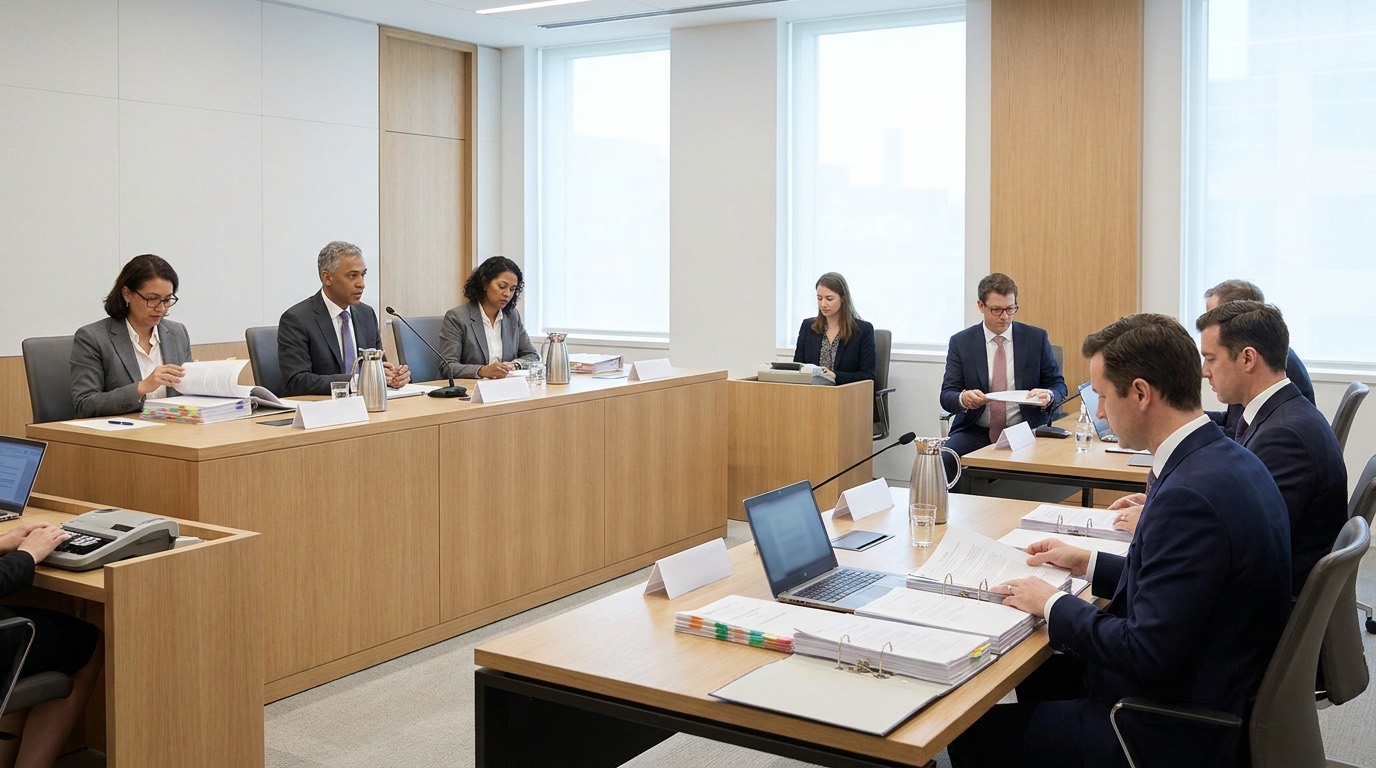 Korea accepts the Elliott award: eight-year Samsung merger treaty claim ends with a USD 113 million payout
On 28 October 2026 Korea's Ministry of Justice said it will not challenge the 30 September 2026 remand award in favour of Elliott Associates in the High Court in London. The decision ends an eight-year KORUS FTA dispute and shows how seat, attribution and cost shape a State's choice.
→ 03 Federal Court of Australia enforces LCIA award in LandOcean, rejecting a double-recovery challenge
On 22 October 2026 the Federal Court of Australia dismissed a challenge to enforcement of a London LCIA award in LandOcean v West Indies Exploration, rejecting a double-recovery argument based on a Trinidad and Tobago judgment. According to creditors' counsel, the ruling shows how narrowly public policy is applied.
→ 04 Singapore High Court on forged charter recaps: DZD v DZE sets aside an award where no arbitration agreement was proved
On 6 October 2026, according to law-firm commentary, the Singapore High Court set aside an ad hoc demurrage award in DZD v DZE [2026] SGHC 199, finding no valid arbitration agreement in a charter recap the trader said was forged. The court also held that a respondent's silence does not create one.
→ 05 SCC guide on administrative secretaries: a traffic-light model that also fits AI-assisted tribunal support
On 22 September 2026 the SCC Arbitration Institute published a guide on administrative secretaries. Its consent-based model and its remarks on AI offer a template for regulating AI use by tribunals.
→ 06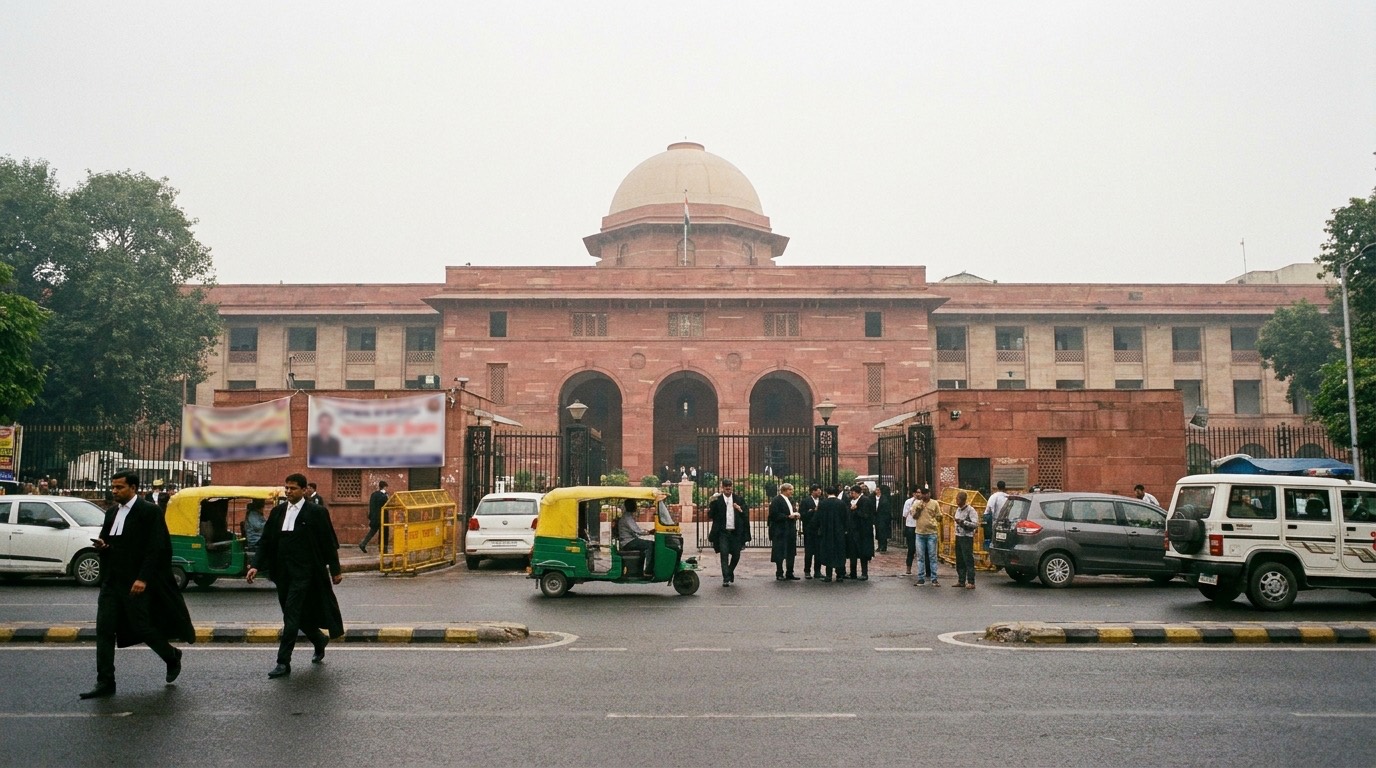 Delhi High Court on unilateral arbitrator appointments: three October 2026 rulings on neutrality, waiver and repeat appointments
In early October 2026 Division Benches of the Delhi High Court set aside awards made by arbitrators appointed unilaterally and directed the Reserve Bank of India to caution banks, after an affidavit disclosed 4,155 cases before one arbitrator.
→ 07 Singapore Convention on Mediation reaches 24 States as Mauritius and Uzbekistan join
Mauritius ratified on 17 August 2026 and Uzbekistan acceded on 28 August 2026. Uzbekistan's accession carries two declarations that limit how the Convention applies there.
→ 08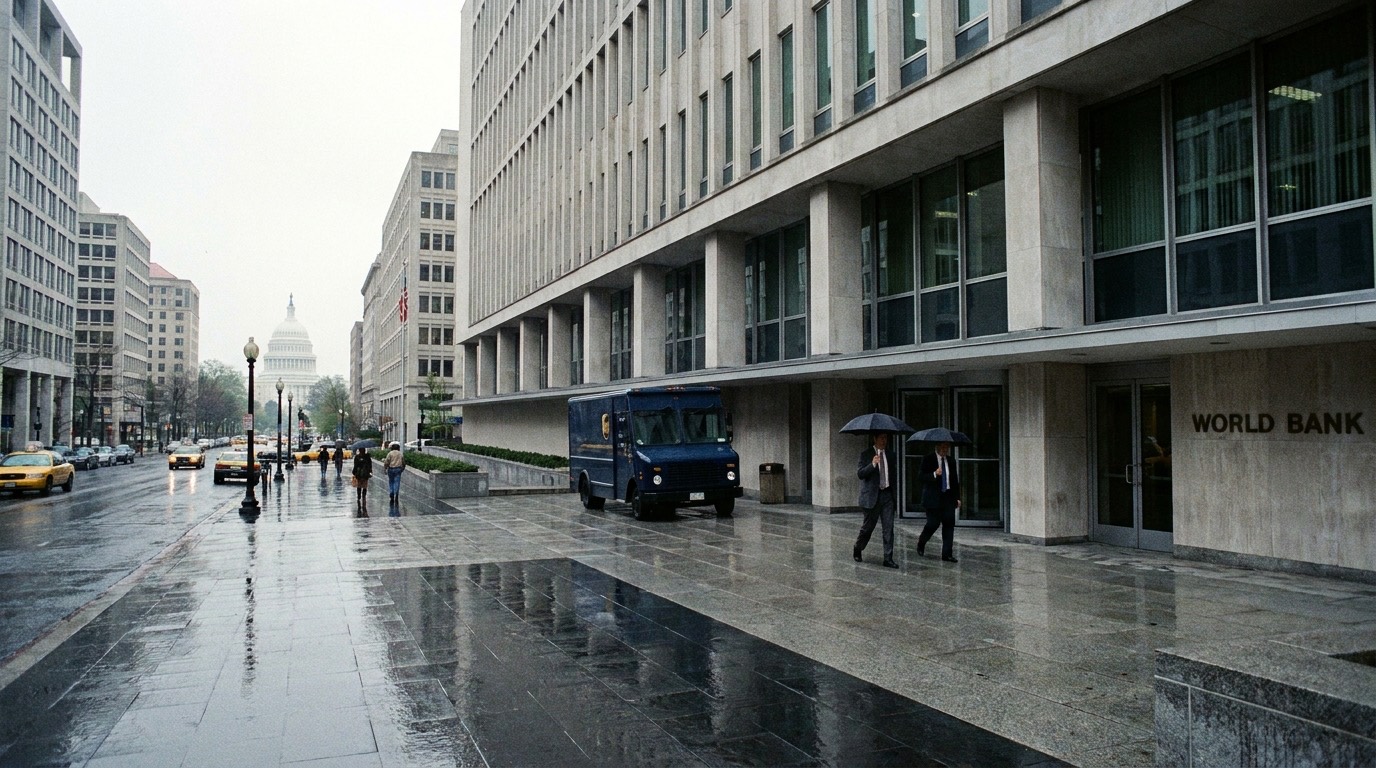 Honduras becomes the 159th ICSID Contracting State: what the ratification means for investors and contract drafters
Honduras deposited its instrument of ratification of the ICSID Convention on 17 July 2026, and the Convention entered into force for it on 16 August 2026.
→ 09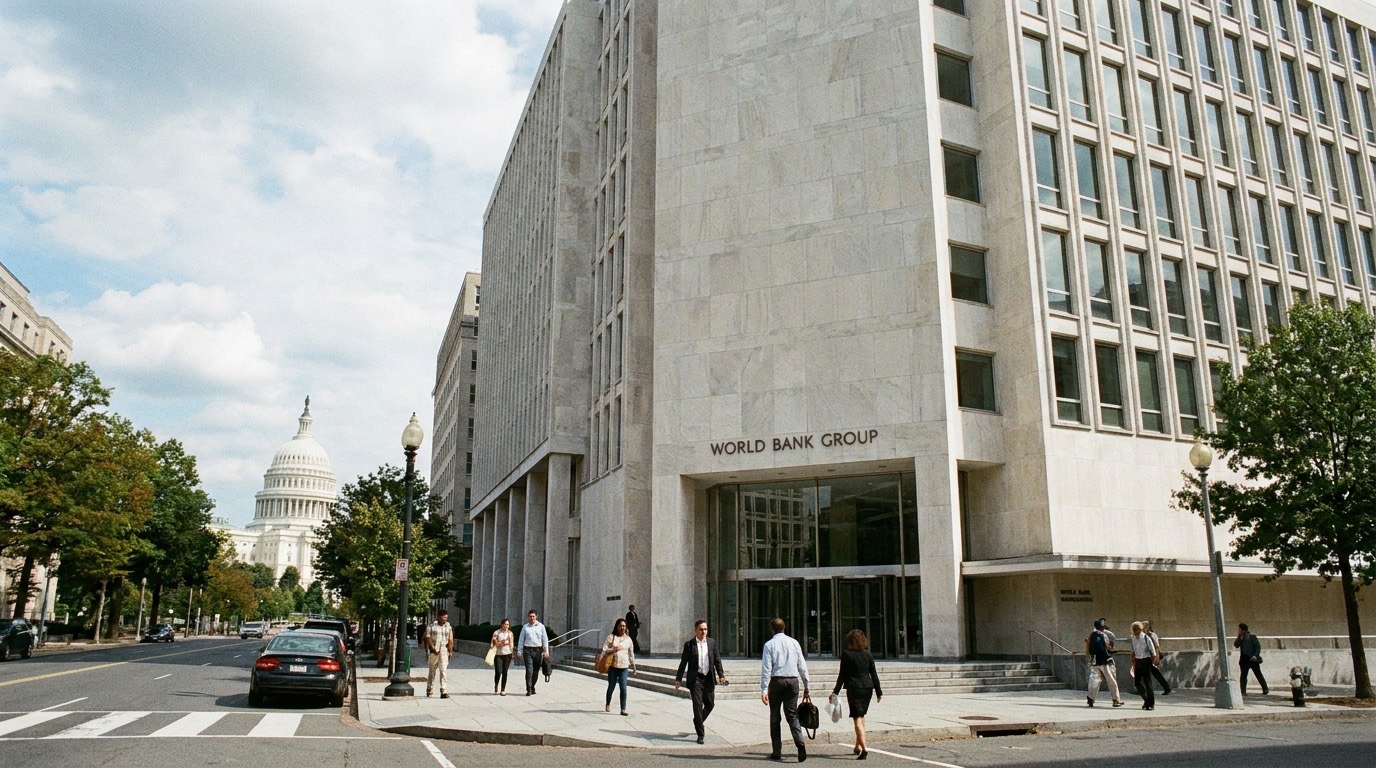 ICSID's record caseload and outcomes for fiscal year 2026: what the numbers say about risk, settlement and funding
ICSID's statistics for the year to 30 June 2026 report a record 363 administered cases, a 63% to 37% split between decisions and settlements, and damages in only 30% of decided cases.
→ 10 CORD Rules 2.0: an institution publishes what arbitrators may and may not do with AI
On 4 September 2026 the Centre for Online Resolution of Disputes launched revised arbitration rules with an AI Practice Note that separates permitted, disclosable and prohibited uses.
→ 11 DIFC Court sets aside a DIAC award decided on unpleaded issues: Princeton v Persephone
On 14 August 2026 the DIFC Court of First Instance set aside a DIAC award in full because the majority relied on points no party had pleaded. The ruling builds on the Court of Appeal's Oheo Bank v Parker.
→ 12 EU AI Act omnibus enters into force: high-risk dates move to December 2027, with a link to dispute resolution
Regulation (EU) 2026/1744, published on 24 July 2026, postpones the AI Act's high-risk obligations to 2 December 2027. Annex III covers AI used in a similar way to judicial tools in alternative dispute resolution.
→ 13 UNCITRAL adopts texts on electronic arbitral awards and electronic notices of arbitration
On 6 July 2026 UNCITRAL adopted a package on arbitral awards and notices of arbitration in electronic form, including a recommendation on how the New York Convention should be read.
→ 14 Ascent Resources v Slovenia: ICSID tribunal rejects Energy Charter Treaty claims and shifts EUR 3 million in costs
An ICSID tribunal dismissed every claim brought by Ascent Resources against Slovenia in July 2026, after upholding its jurisdiction, and ordered the claimants to contribute EUR 3,000,000 to the State's costs.
→ 15 ICC Note of 1 June 2026: sealed offers and publication choices to settle at the start of a case
The ICC's Note on the conduct of arbitration, dated 1 June 2026, sets out how sealed offers reach the tribunal and what the Court may publish about a case. Practical steps for parties who care about settlement leverage and confidentiality.
→ 16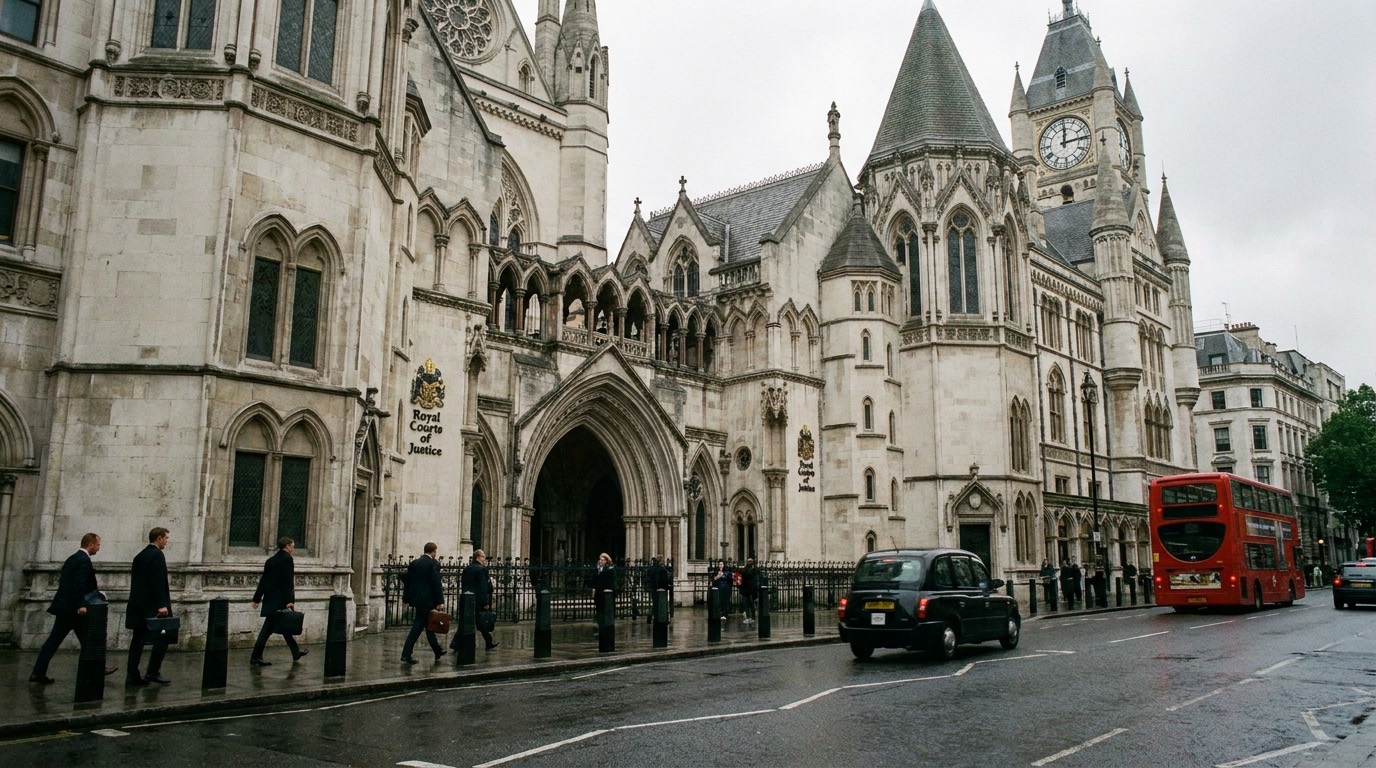 Devas v India: English Court of Appeal holds New York Convention ratification does not waive state immunity
On 24 June 2026 the Court of Appeal ruled that India did not submit to English jurisdiction merely by ratifying the New York Convention. What the decision means for enforcing awards against states and for how to draft the waiver.
→ 17 ICC surveys AI practice as its 2026 Rules stay silent: what the secretary rules already imply
In July 2026 the ICC's task force on AI opened an anonymous survey of arbitration users. The 2026 Rules have no AI clause, but the ICC Note on tribunal secretaries draws a line between assistance and delegation that parties can reuse.
→ 18 Quebec court annuls an award resting on AI-hallucinated authorities
In ARIHQ v. Santé Québec (22 April 2026) the Quebec Superior Court annulled an arbitral award after finding that the sole arbitrator had delegated drafting to AI and cited authorities that do not exist. What it says about arbitrator conduct and how parties can protect themselves.
→ 19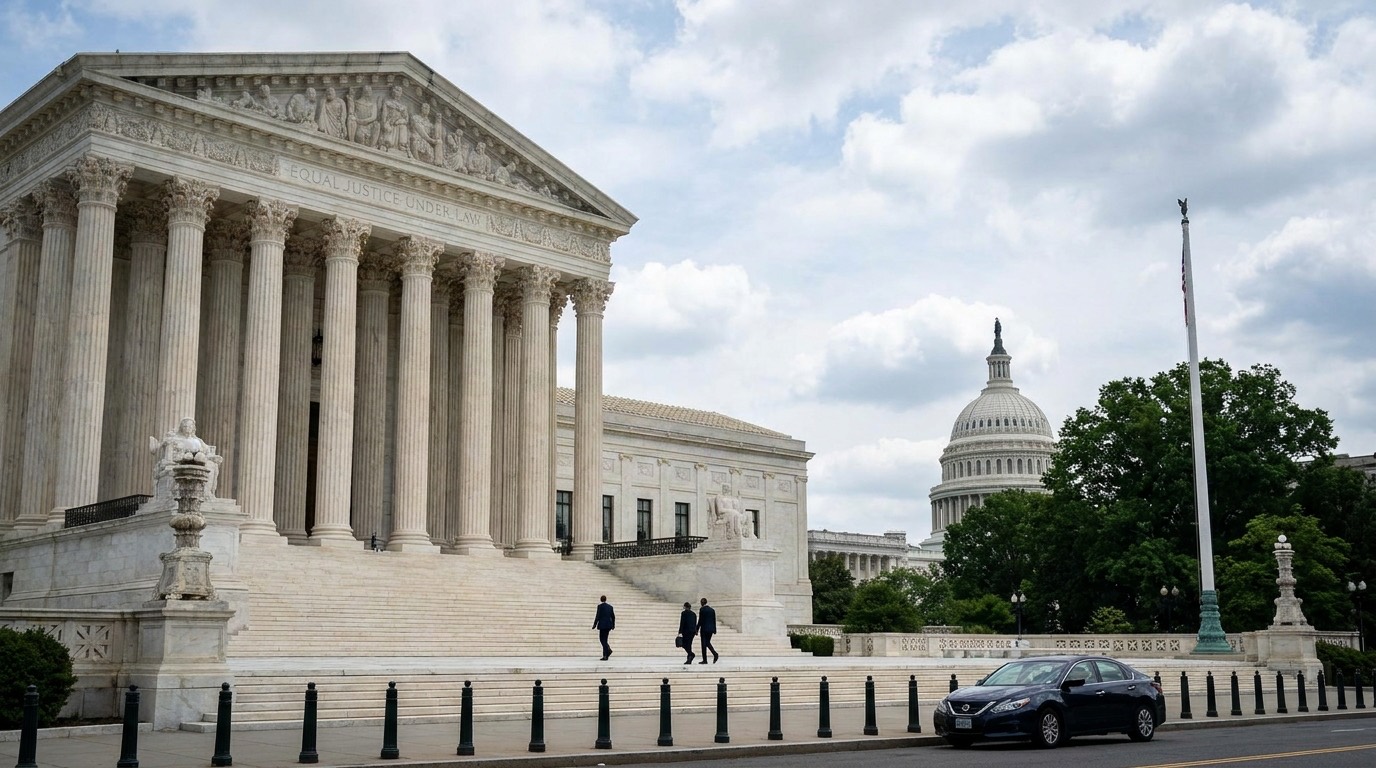 US Supreme Court in Jules v. Andre Balazs Properties: who hears the challenge to an award
On 14 May 2026 the US Supreme Court held unanimously that a federal court which stayed claims for arbitration keeps jurisdiction to confirm or vacate the resulting award. What the ruling settles, what it leaves open, and why seat choice still matters.
→ 20 LCIA closes first-stage consultation on revising its Arbitration Rules
The LCIA's call for input on a revision of its 2020 Rules closed on 11 May 2026. A look at the themes reported, what happens next, and how parties should treat a rule set that is about to move.
→ 21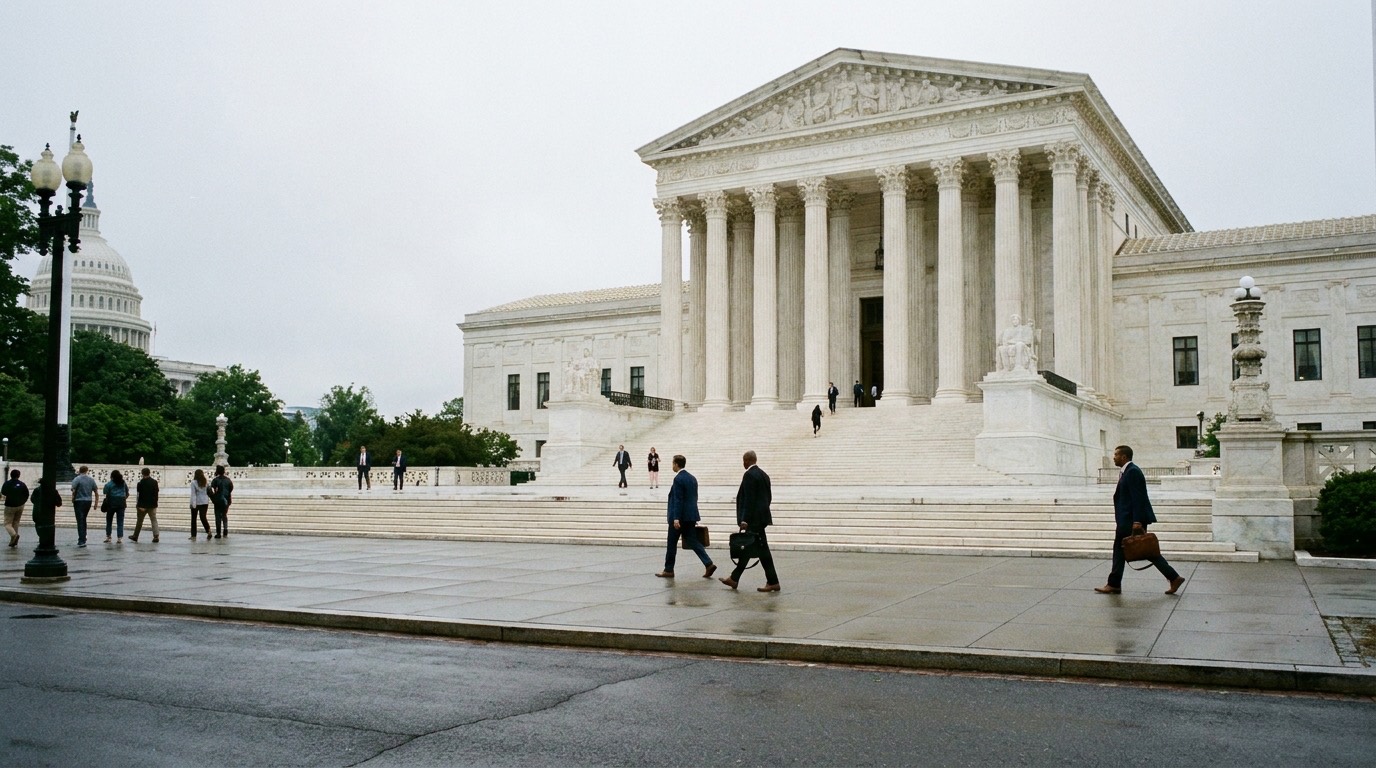 US Solicitor General urges Supreme Court to deny review in Spain's intra-EU award enforcement case
On 26 May 2026 the United States told the Supreme Court that Spain's petition in Kingdom of Spain v. Blasket should be denied, while agreeing that the D.C. Circuit erred on who decides whether an agreement to arbitrate exists.
→ 22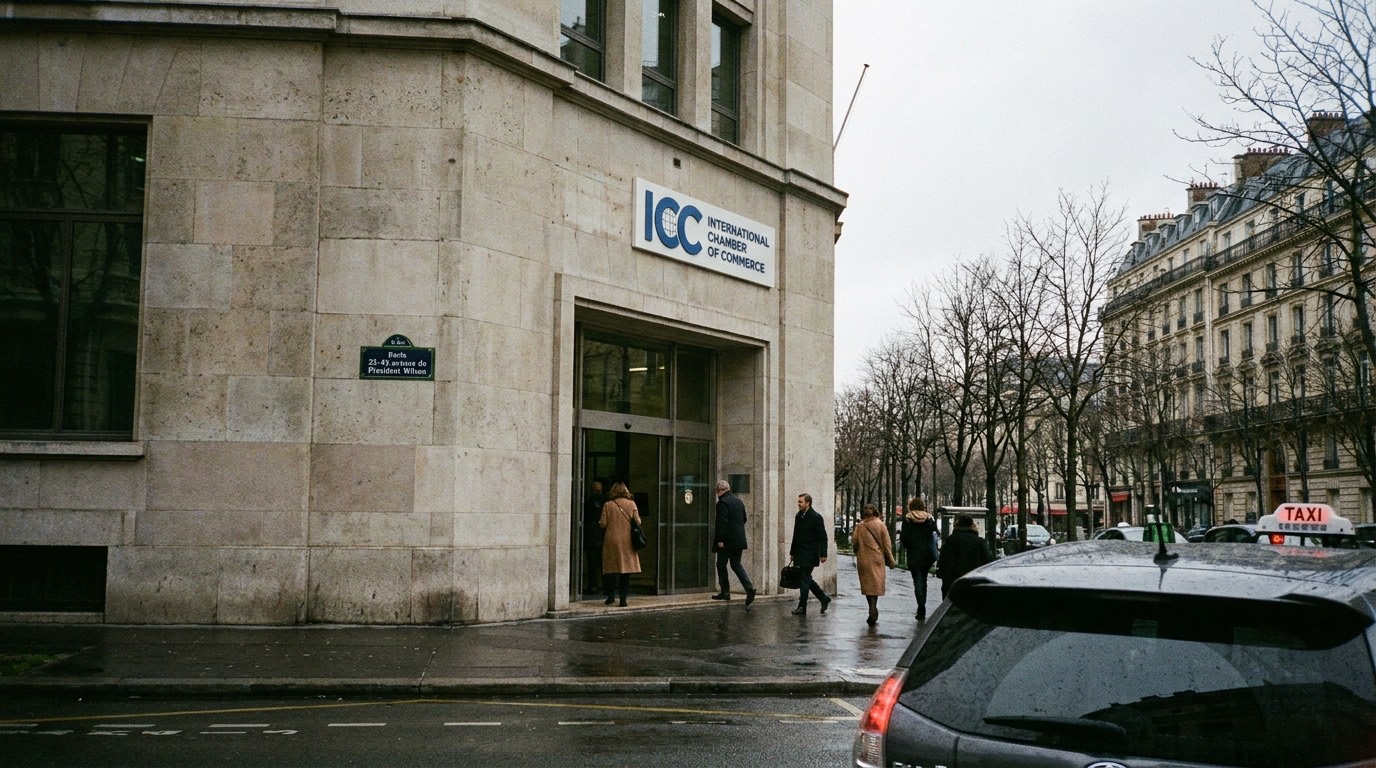 ICC 2026 Rules: what to check in your clauses and first procedural steps
The ICC published its 2026 Arbitration Rules on 22 May 2026, effective 1 June. A practical reading for contract drafters: Terms of Reference, expedited tracks, funding disclosure and secretaries.
→ 23 EU draft guidelines on high-risk AI bring arbitral proceedings into scope
On 19 May 2026 the European Commission published draft guidelines that treat arbitration as ADR for the purposes of the AI Act's high-risk rules. What they cover, what remains open, and what to put in your clause or first procedural order.
→ 24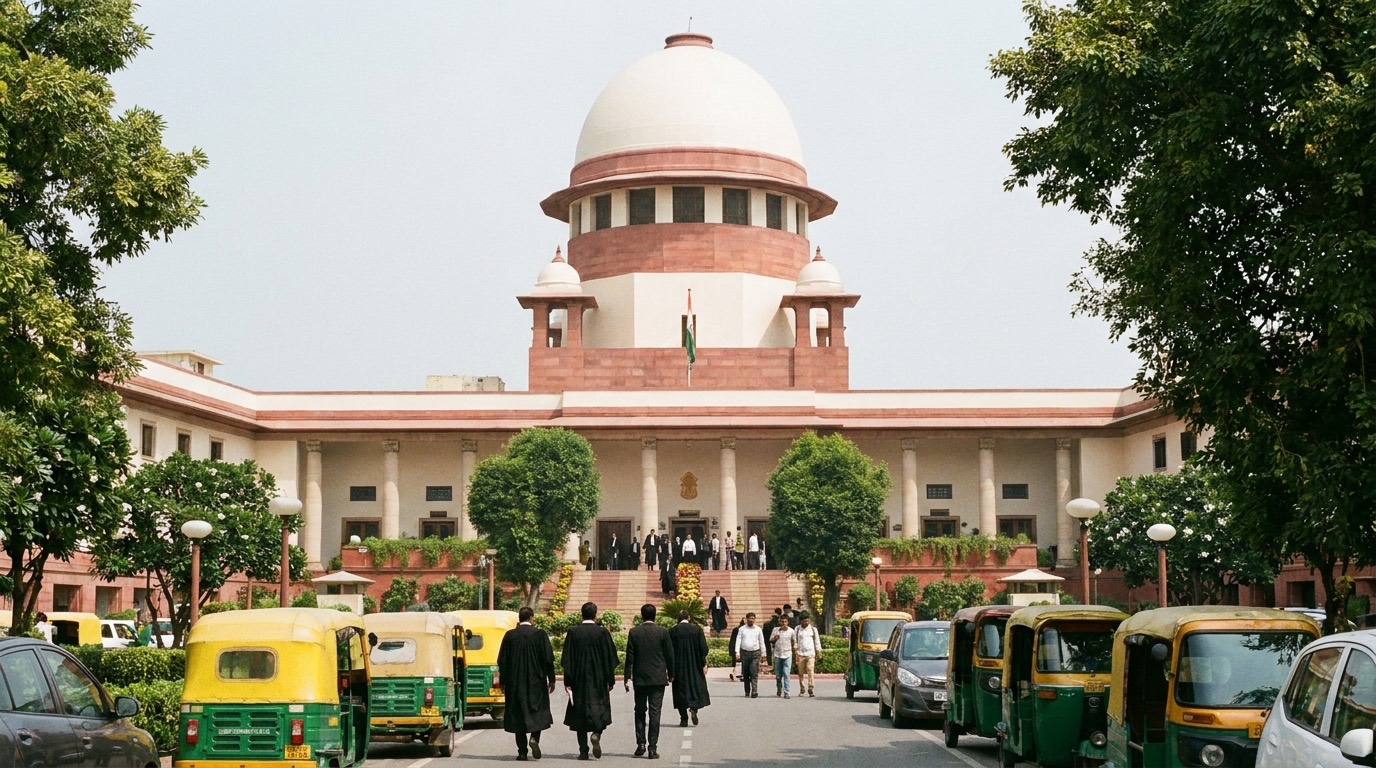 Supreme Court of India endorses transnational issue estoppel: why the seat court now carries more weight at enforcement
On 25 March 2026 the Supreme Court of India refused to let award-debtors reopen at the enforcement stage points that the Singapore seat court had decided. The decision raises the stakes of the set-aside forum.
→ 25 Quebec court annuls an arbitral award built on fabricated authorities: what arbitrator use of AI now risks
On 22 April 2026 the Quebec Superior Court set aside an award whose legal authorities did not exist. It distinguishes AI assistance from delegation of the decision, and parties can draft for that line.
→ 26 ICC Executive Board approves revised Rules of Arbitration, in force from 1 June 2026: how to prepare
On 23 March 2026 the ICC announced that its Executive Board had approved revised Rules of Arbitration, to apply to requests filed from 1 June 2026. We set out what is known and what contract owners can do before the text is published.
→ 27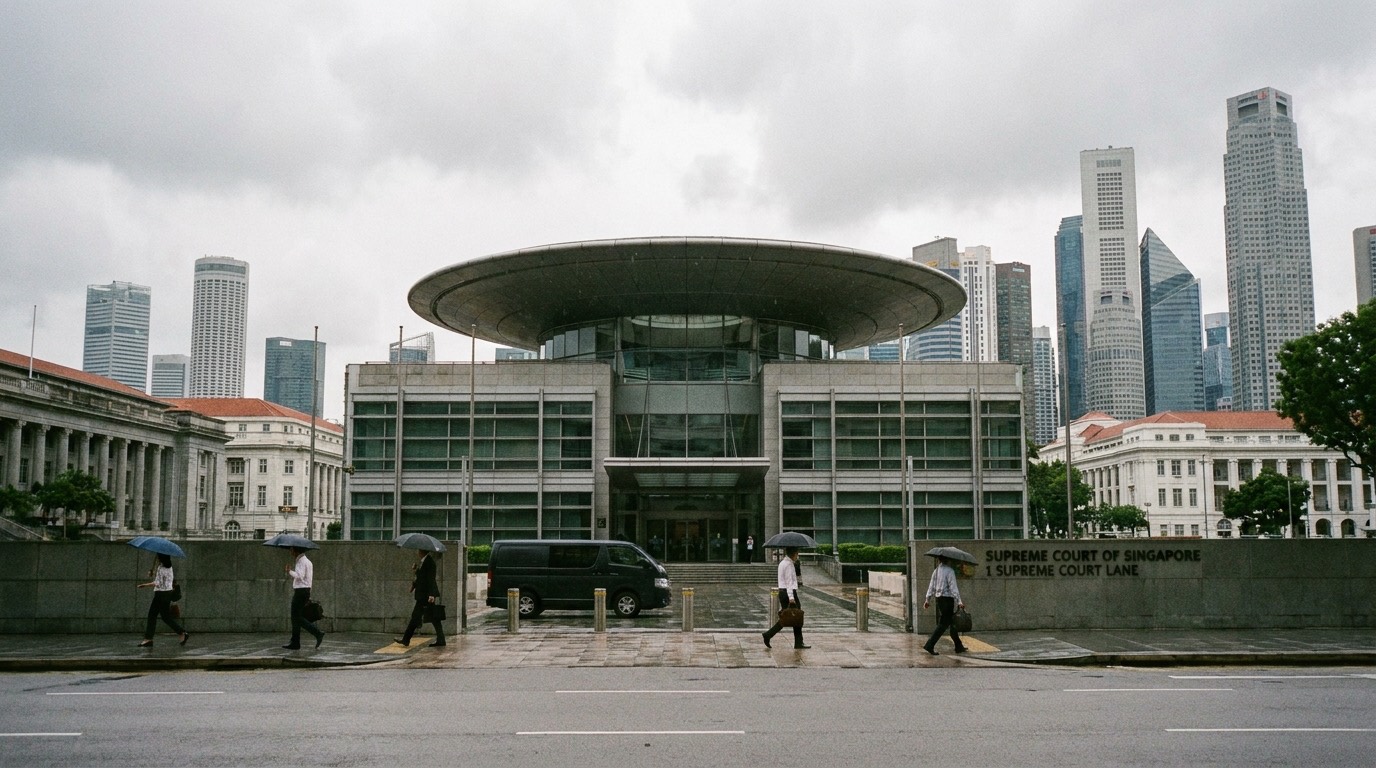 Singapore High Court refuses to set aside registration of an intra-EU ICSID award against Spain
On 24 February 2026 the Singapore High Court held that Spain could not rely on state immunity or the intra-EU objection to resist registration of an ICSID award. We explain why the choice of enforcement forum matters.
→ 28 Swiss Arbitration Centre reports a record 2025 caseload: what its figures say about expedited procedure and emergency relief
On 24 February 2026 the Swiss Arbitration Centre published its 2025 figures: 125 new cases, a third of them expedited. We read the numbers for what they mean when drafting a dispute clause.
→ 29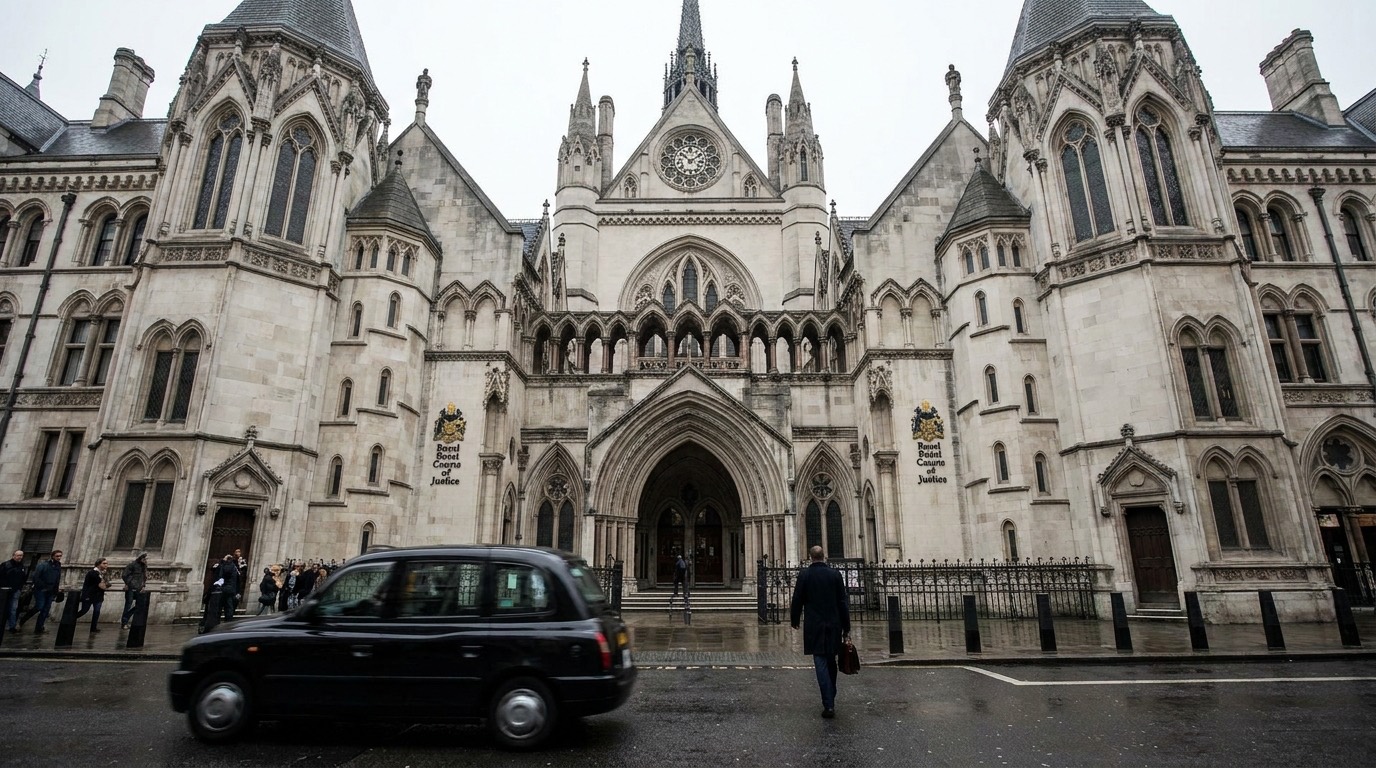 English High Court sets aside part of the Elliott v Korea award: what it shows about challenges at the seat
On 23 February 2026 the English Commercial Court partially set aside a US$48.5 million treaty award against South Korea and remitted issues to the tribunal. The ruling is a reminder of how much the seat decides.
→ 30 EU Council backs later dates for AI Act high-risk rules: what arbitration users should take from it
On 13 March 2026 the Council of the EU agreed its position on simplifying the AI Act, with fixed later dates for high-risk obligations. The text is not final, and parties that use AI in disputes should plan around that uncertainty.
→ 31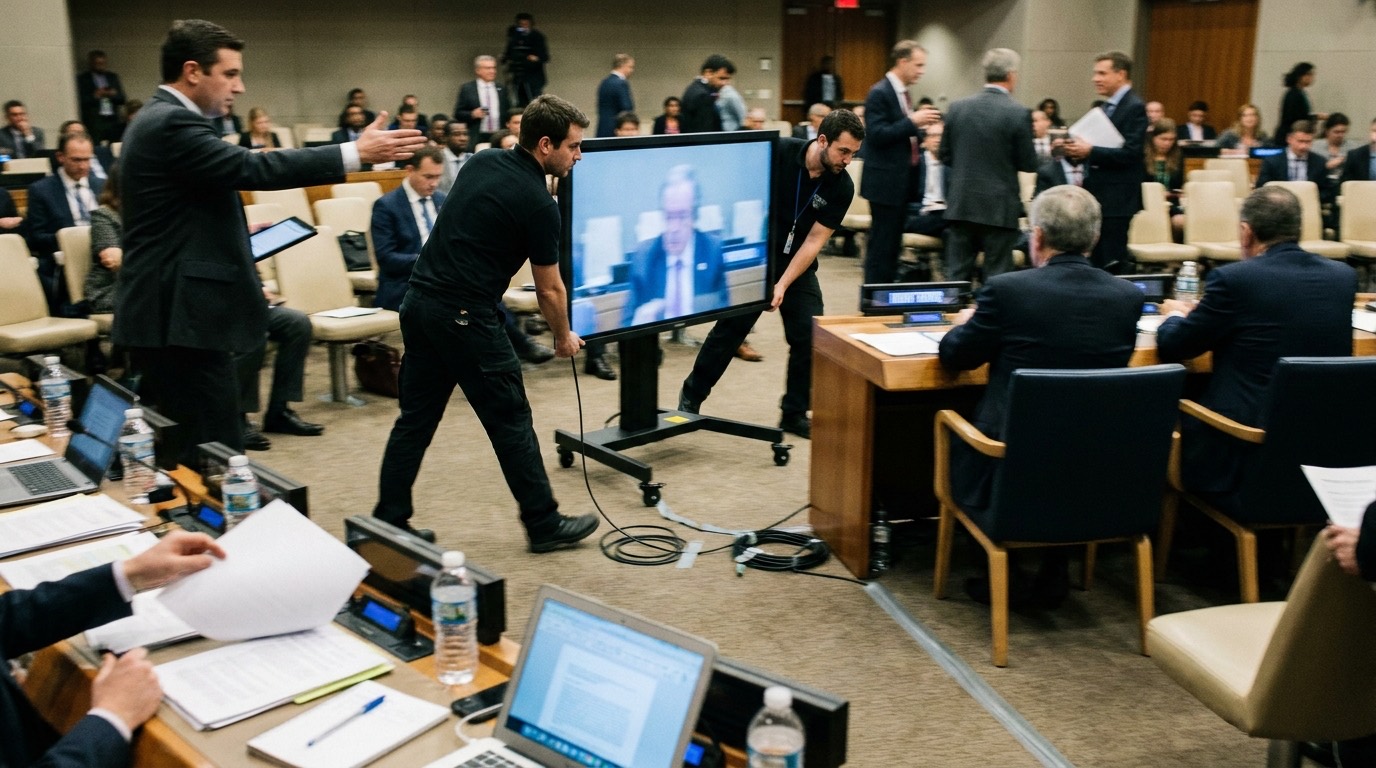 UNCITRAL colloquium on AI in dispute resolution: what was discussed and what parties can do now
On 16 and 17 February 2026 UNCITRAL held a colloquium in New York on AI and remote hearings in arbitration and mediation. No new instrument has emerged, but the direction is clear enough to draft for.
→ 32 Germany proposes to modernise its arbitration law: video hearings, electronic awards and English in court
A ministerial draft published in late January 2026 would reshape German arbitration law. We set out what it proposes and what parties should consider when drafting clauses and choosing a seat.
→ 33 ICSID registered 63 new cases in 2025: what the caseload figures mean for investors
ICSID's 2025 caseload statistics, published on 17 February 2026, record 63 new cases, the second-highest annual number in its history, with treaty-based claims dominant and a third of concluded arbitrations ending without an award. Investors can use the figures to calibrate expectations.
→ 34 German Federal Court of Justice pauses a sanctions enforcement case pending a CJEU ruling on public policy
On 6 February 2026 the German Federal Court of Justice suspended proceedings over the enforcement of a Russian arbitral award until the Court of Justice of the EU decides whether EU sanctions form part of public policy in award review. Parties with sanctions exposure should plan for delay and uncertainty.
→ 35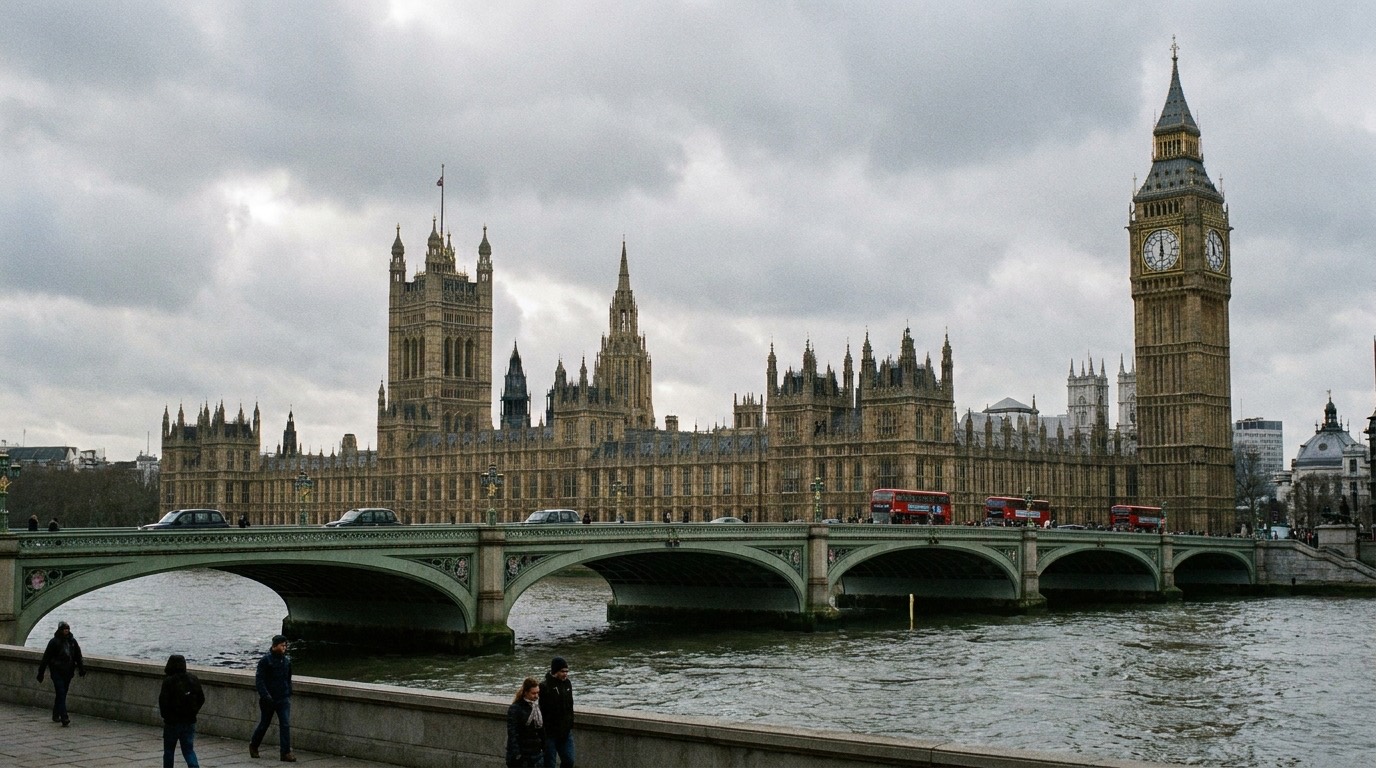 UK government to legislate on litigation funding after PACCAR: what funded claimants should do now
In December 2025 the UK government announced that it will legislate to reverse the effect of the 2023 PACCAR ruling on litigation funding agreements. No bill or timetable has been published, so funded parties need to plan for an interim period.
→ 36 KCAB's 2026 Rules ask tribunals to discuss AI use with the parties at the outset
The revised KCAB International Arbitration Rules took effect on 1 January 2026. One provision encourages tribunals to discuss with the parties the use of AI tools by any party or arbitrator. It is soft law inside a rulebook, and it shows what parties can expect to be asked.
→ 37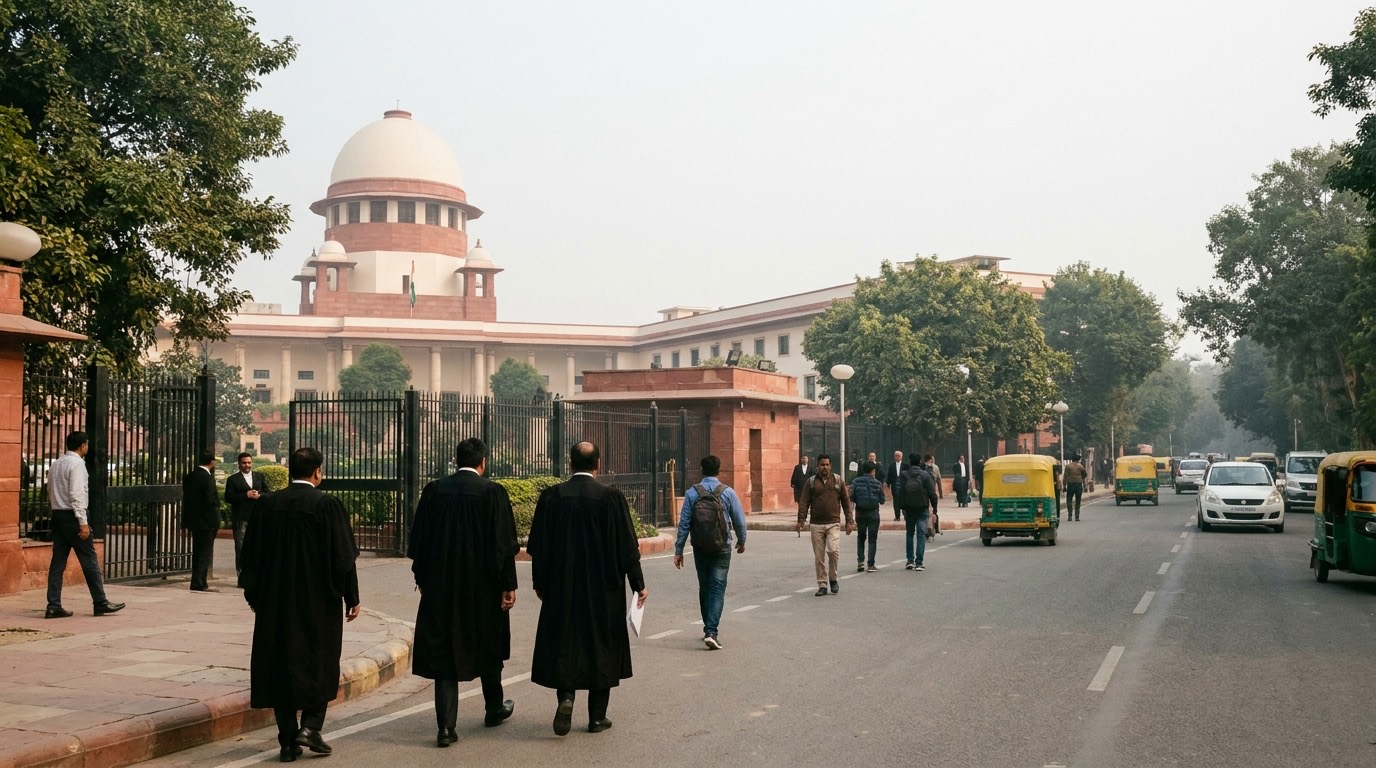 India's Supreme Court on how arbitral mandates end: unpaid fees and expired time limits
In two decisions of 8 and 10 December 2025 the Supreme Court of India addressed what happens when a tribunal's proceedings are terminated for unpaid fees and when its mandate lapses for want of a timely award. Both bear on budgeting, timetabling and the choice of forum.
→ 38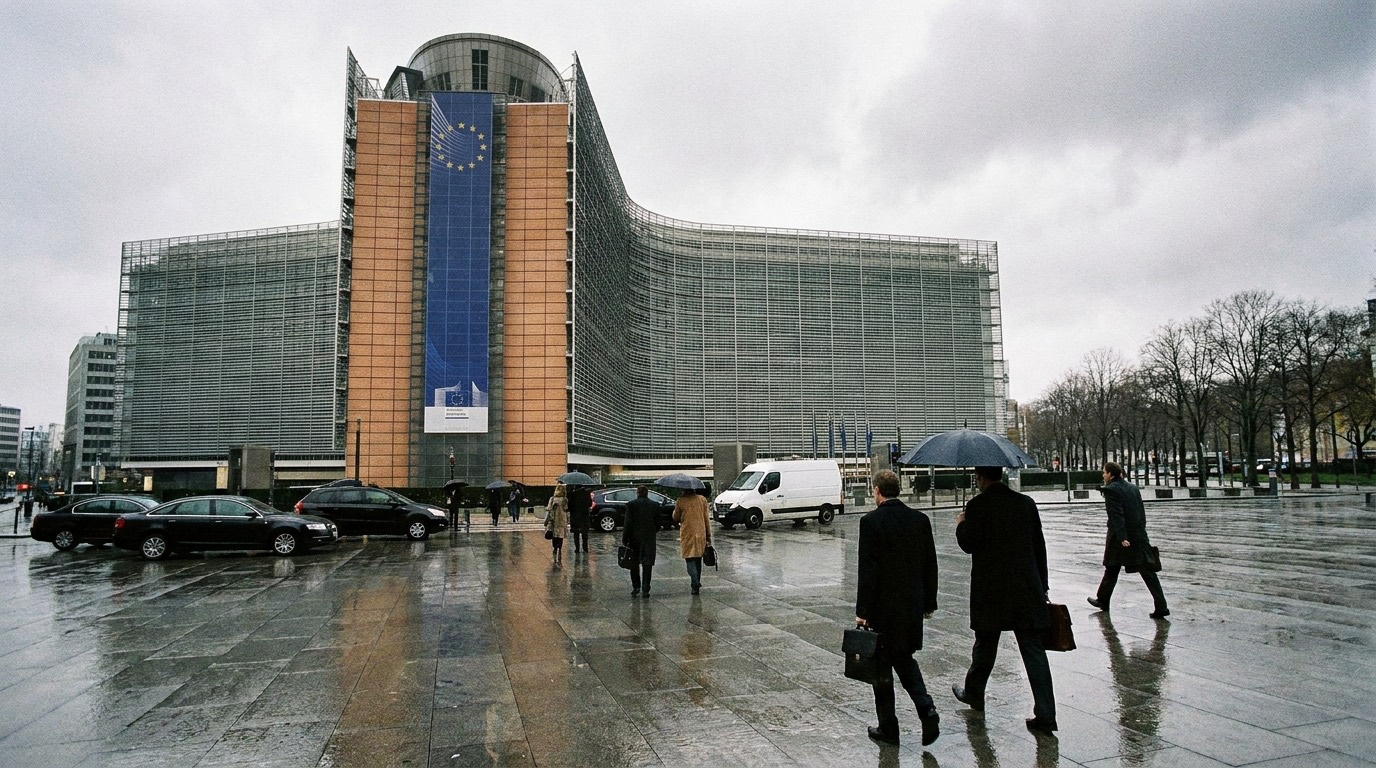 EU proposes to defer high-risk AI Act obligations: what it means for AI use in arbitration
On 19 November 2025 the European Commission proposed to defer the AI Act's high-risk rules to as late as 2 December 2027. The AI Act already names AI used in alternative dispute resolution as a high-risk use case, so the proposal is worth reading alongside any AI protocol in an arbitration.
→ 39 France consults on a draft decree to reform its arbitration law: what Paris-seated parties should watch
On 12 December 2025 the French Ministry of Justice opened a public consultation, running to 20 January 2026, on a draft decree that is the first stage of a three-step reform of French arbitration law. The draft would tighten rules on waiver, enforcement and interim measures.
→ 40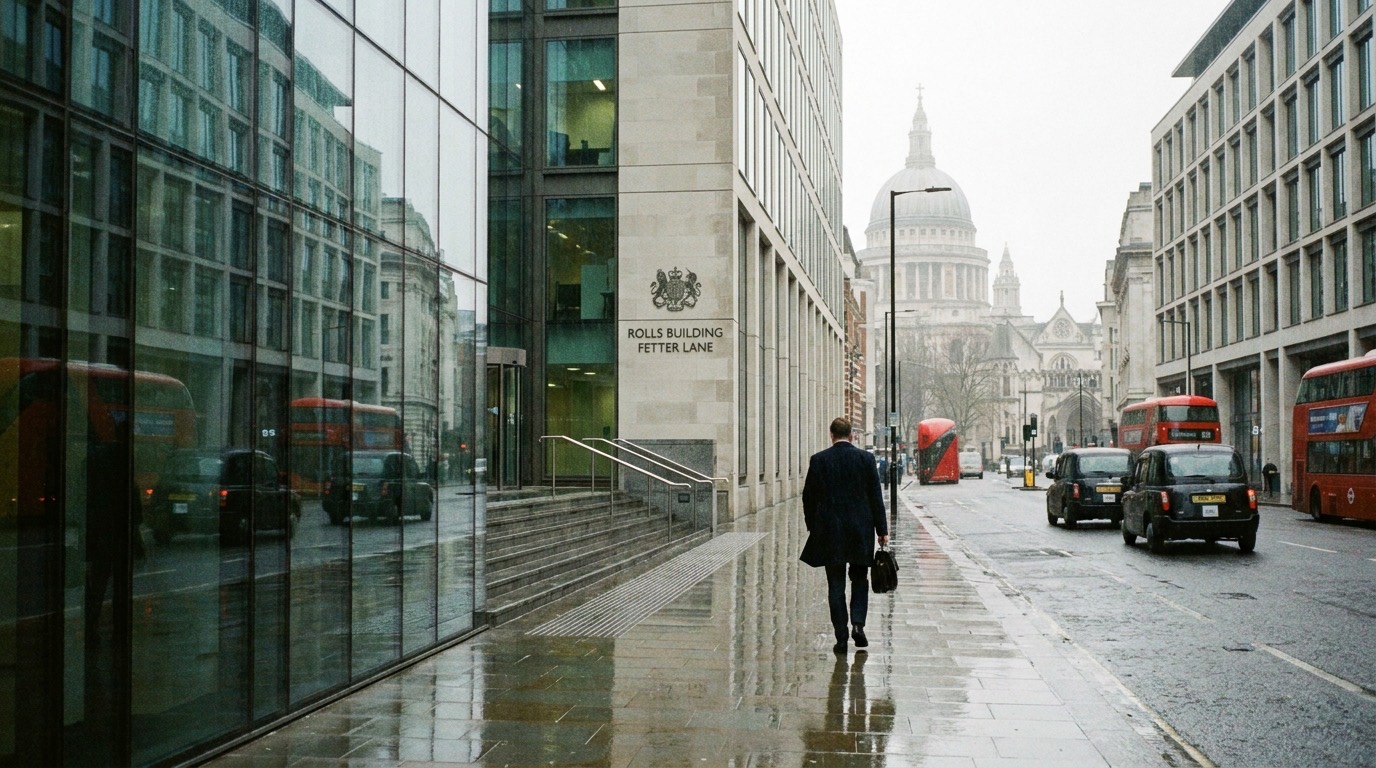 English court holds ICSID awards under the Energy Charter Treaty are not assignable: OperaFund v Spain
On 10 November 2025 the English Commercial Court refused to substitute an assignee as claimant in the enforcement of an ICSID award against Spain, holding that such awards cannot be assigned. The ruling matters to funders, to buyers of awards and to anyone who plans to monetise a claim.
→ 41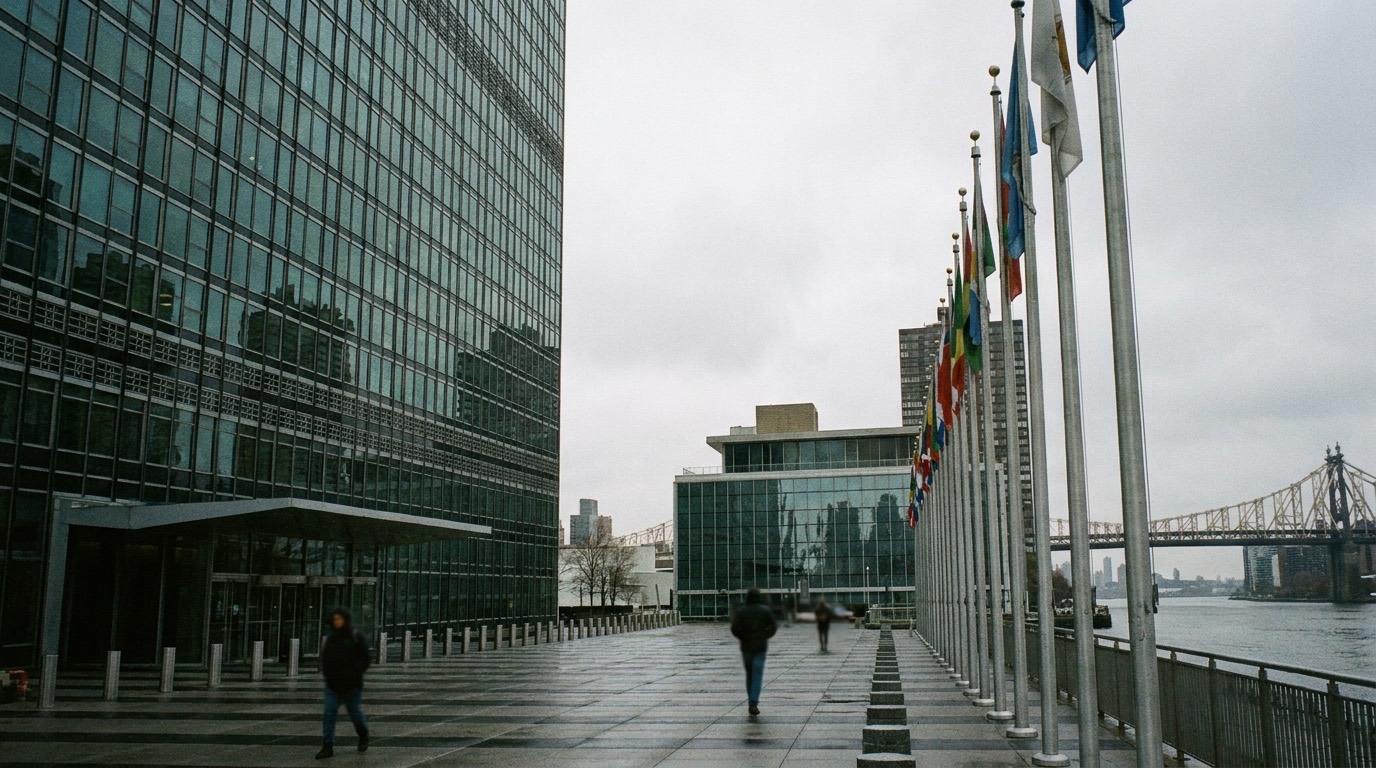 Kyrgyzstan joins the Singapore Convention on Mediation: drafting for enforceable settlements
Kyrgyzstan acceded to the Singapore Convention on Mediation on 1 December 2025, becoming the twentieth State party. The accession, and the reservation attached to it, are a practical prompt to review how mediation steps are written into dispute clauses.
→ 42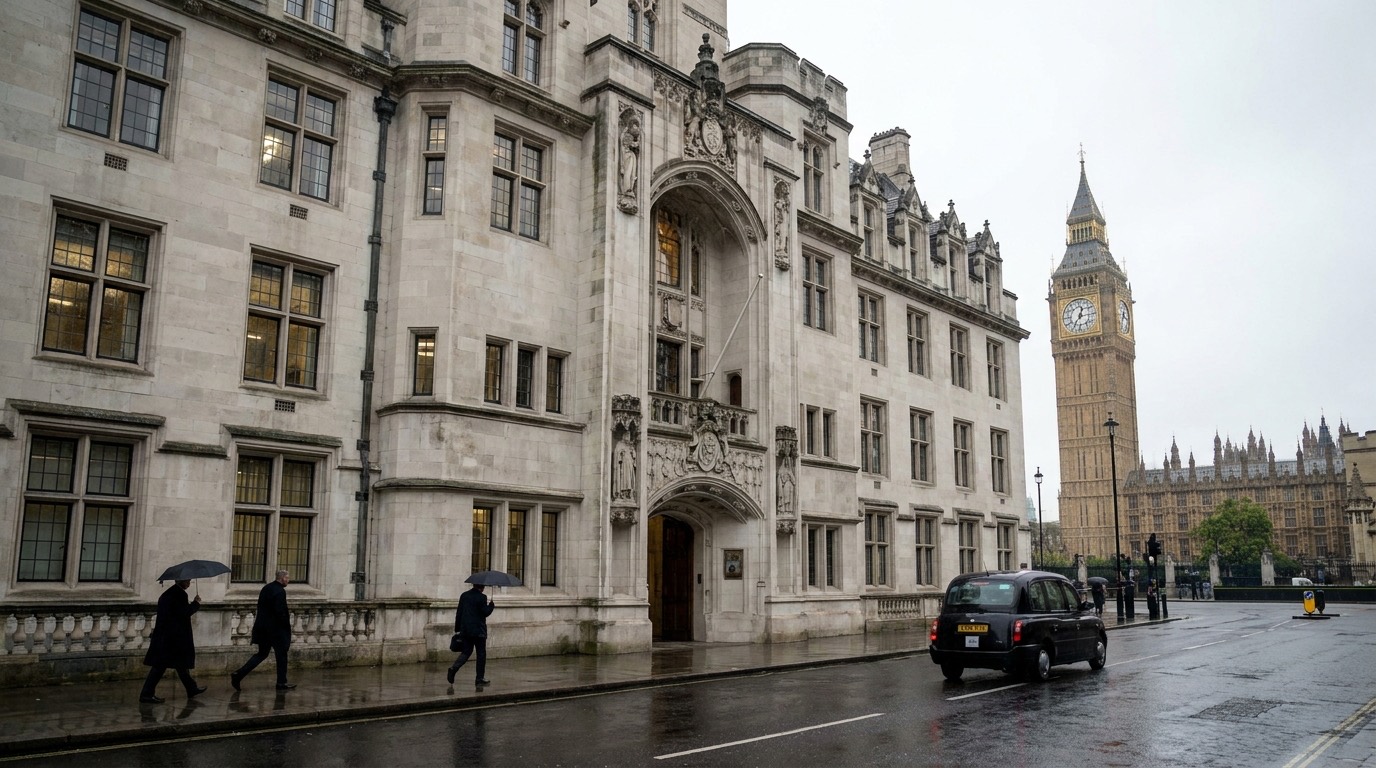 UK Supreme Court rules on the currency of costs in P&ID v Nigeria
On 22 October 2025 the UK Supreme Court held that Nigeria's costs in the P&ID litigation should be awarded in sterling, not naira. The reasoning is a useful prompt to review how fees are billed and how costs exposure is planned.
→ 43 AI and the taking of evidence: what the XII CAM-CCBC Congress panel recommends for procedural orders
A panel at the XII CAM-CCBC Arbitration Congress in October 2025 discussed AI in evidence-taking, from document review to deepfakes. We summarise the reported views and what parties can write into Procedural Order No. 1.
→ 44 UAE ruling settles the signature question: signing the last page of an arbitral award is enough
A decision of the UAE's judicial unification authority, issued on 4 August 2025, ends conflicting case law on whether arbitrators must sign every page of an award. We set out what it means for award formalities and enforcement.
→ 45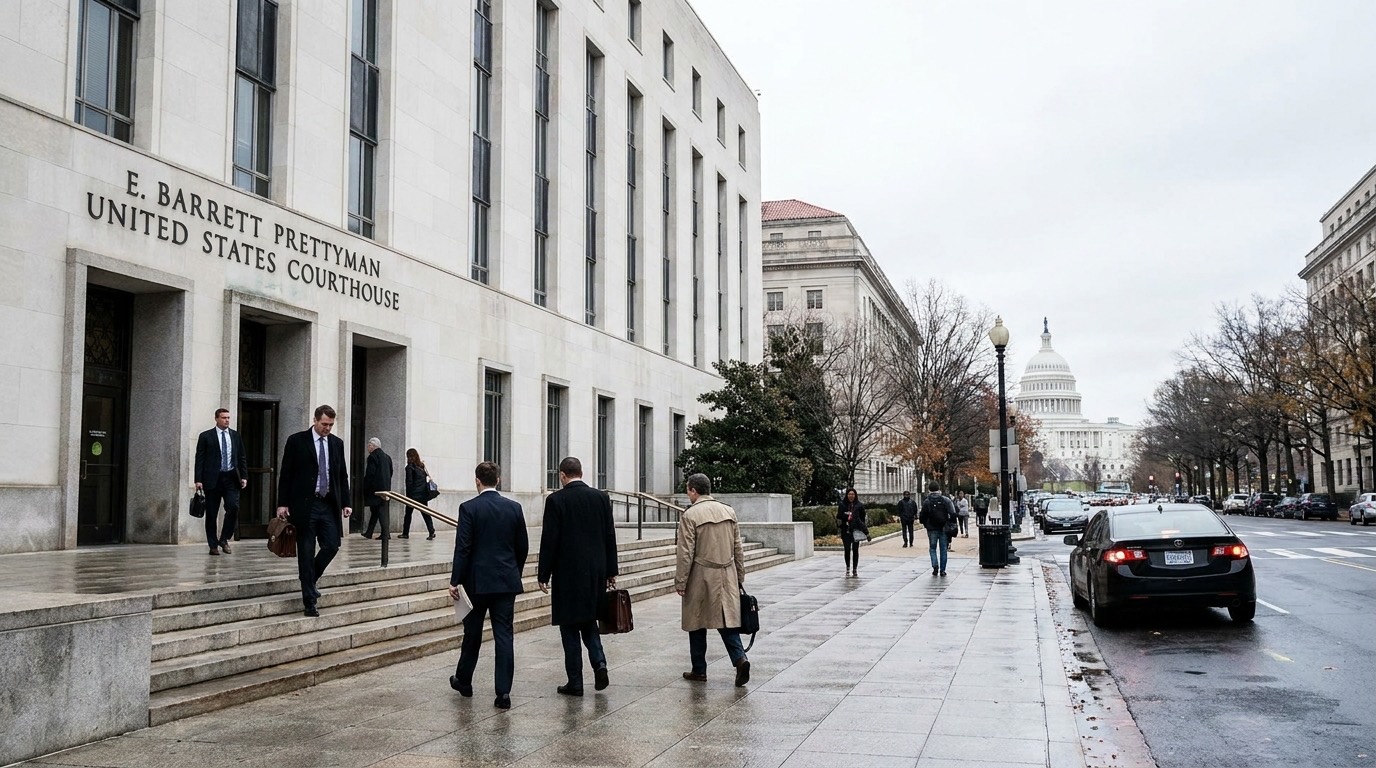 D.C. Circuit in Deutsche Telekom v India: a treaty award from Switzerland returns to court on arbitrability
On 3 October 2025 the D.C. Circuit let enforcement proceed against India but sent back a US$93.3 million treaty award, holding that India may still argue the dispute was outside the treaty's scope.
→ 46 An AI arbitrator for documents-only construction cases: what the AAA-ICDR announcement means for clauses and awards
In September 2025 the American Arbitration Association announced an AI arbitrator due to launch in November for documents-only construction disputes. We set out what is known and what parties should check before agreeing to such a process.
→ 47 Signing the ICC Terms of Reference can bind a non-signatory: Eleventh Circuit affirms enforcement of an ICC award
On 24 September 2025 a US appeals court held that a non-signatory who signed the Terms of Reference, which submitted arbitrability to the tribunal, was bound by the tribunal's jurisdictional ruling. The opinion is unpublished.
→ 48 Ciarb's AI Guideline, updated September 2025: a template for agreeing the rules on AI in your arbitration
The Chartered Institute of Arbitrators has published an updated version of its Guideline on the Use of AI in Arbitration, with a model agreement and procedural order. We explain how parties can use it.
→ 49 2024 arbitration caseload figures: what expedited and emergency procedures data say about procedure design
A Baker McKenzie review of 2024 institutional statistics, published in September 2025, shows steady use of expedited procedures and an uneven picture on emergency arbitration. We draw out the drafting lessons.
→ 50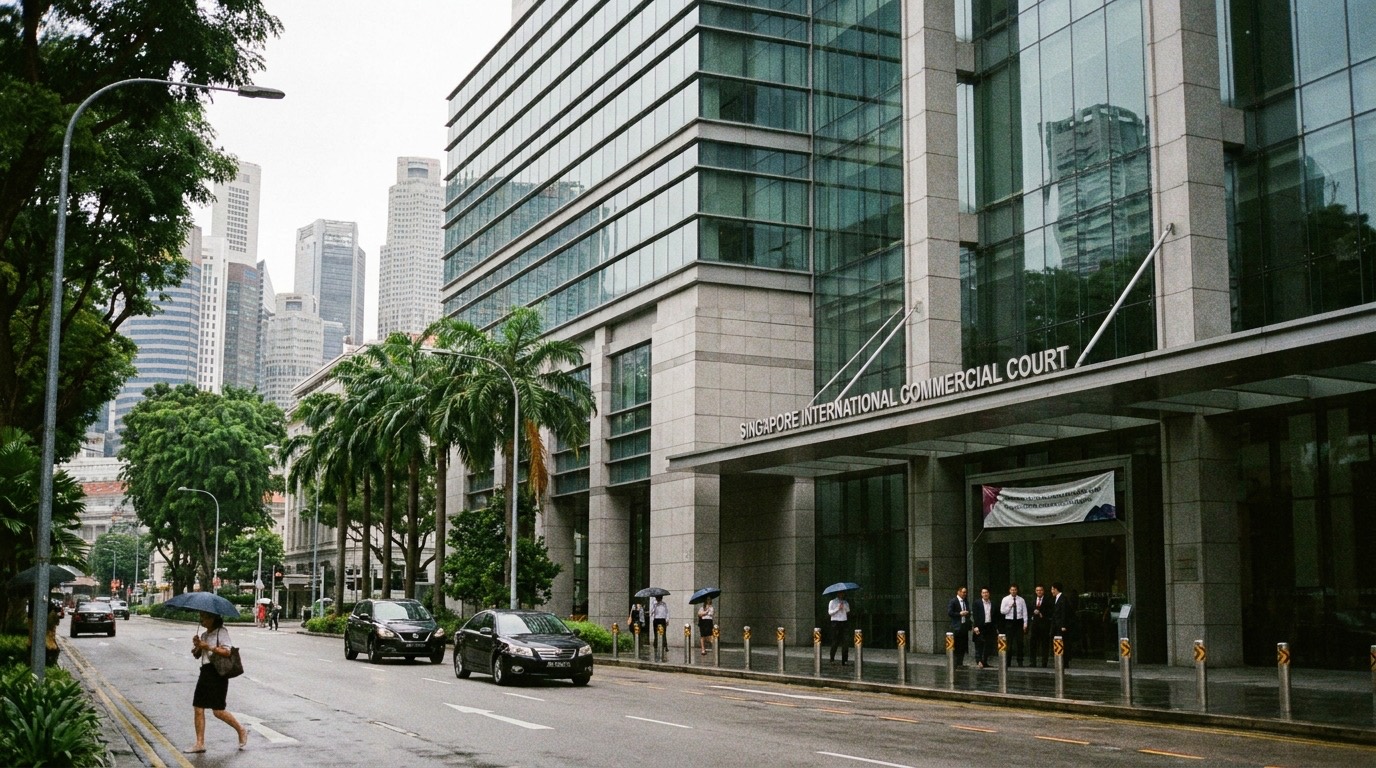 Singapore court rejects Russia's immunity plea against Yukos awards: seat-court decisions and enforcement
In July 2025 the Singapore International Commercial Court held that Russia was precluded from re-arguing immunity after Dutch seat courts had decided the point. We explain why seat choice matters for enforcement.
→ 51 England's Arbitration Act 2025 is in force: what it changes for clauses, seat choice and challenges
The reforms to the Arbitration Act 1996 took effect on 1 August 2025. We set out what the statute provides and what contract drafters should revisit.
→ 52 Czech Republic v Diag Human: Court of Appeal splits a USD 350 million treaty award, upholding Mr Stava's and setting aside the company's
In judgments of 7 May and 28 July 2025 the English Court of Appeal set aside a Swiss-Czech treaty award as to a company that had lost its Swiss control, but confirmed it as to the individual investor. The decision shows how investor structure can decide whether a claim survives.
→ 53 Two English Upper Tribunal rulings on AI-generated citations: how a tribunal treats a litigant in person and a barrister
In July and August 2025 two English Upper Tribunal decisions applied the Ayinde guidance to fictitious AI-generated citations, with different responses for an unrepresented party and for counsel. The contrast is useful for arbitral procedure.
→ 54 EU AI Act: general-purpose AI duties apply from 2 August 2025 and what AI supply contracts should say about disputes
Obligations for providers of general-purpose AI models under the EU AI Act began to apply on 2 August 2025, after Commission guidelines of 18 July 2025. We look at what they mean for vendor and customer contracts and for the forum chosen to resolve disputes.
→ 55 English Commercial Court sets aside an ICC partial award: conflicting arbitration clauses in Tecnicas v PCMC
On 14 July 2025 the Commercial Court held that an ICC tribunal had no jurisdiction because the top-ranking contract document provided for ad hoc arbitration in London. The case is a lesson in drafting dispute clauses across several contract documents.
→ 56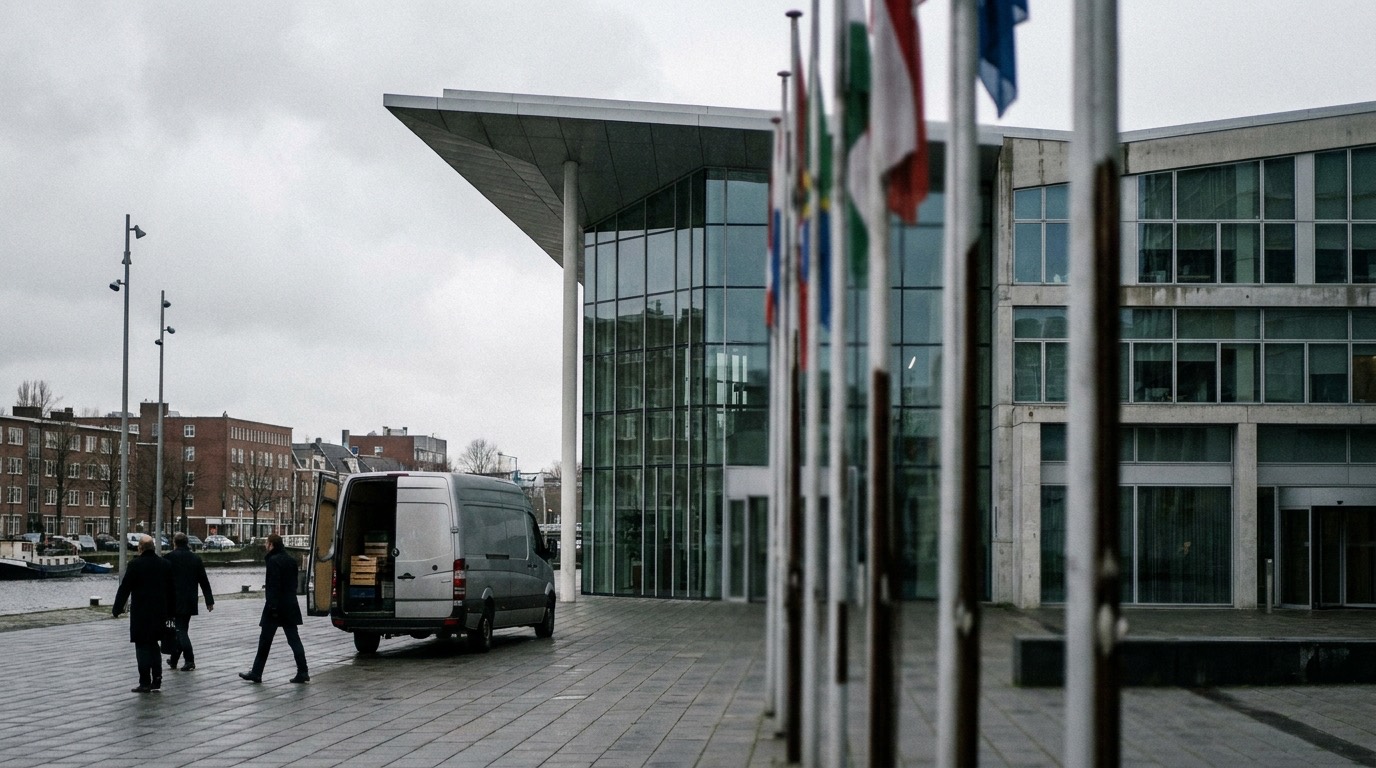 ICC's 2024 statistics: record caseload value, yet a third of cases are small, and what that means for proportionate procedure
The ICC's 2024 dispute resolution statistics, released in June 2025, show a record total caseload value alongside a large share of modest disputes. We draw out the practical lessons for sizing procedure and cost to the dispute.
→ 57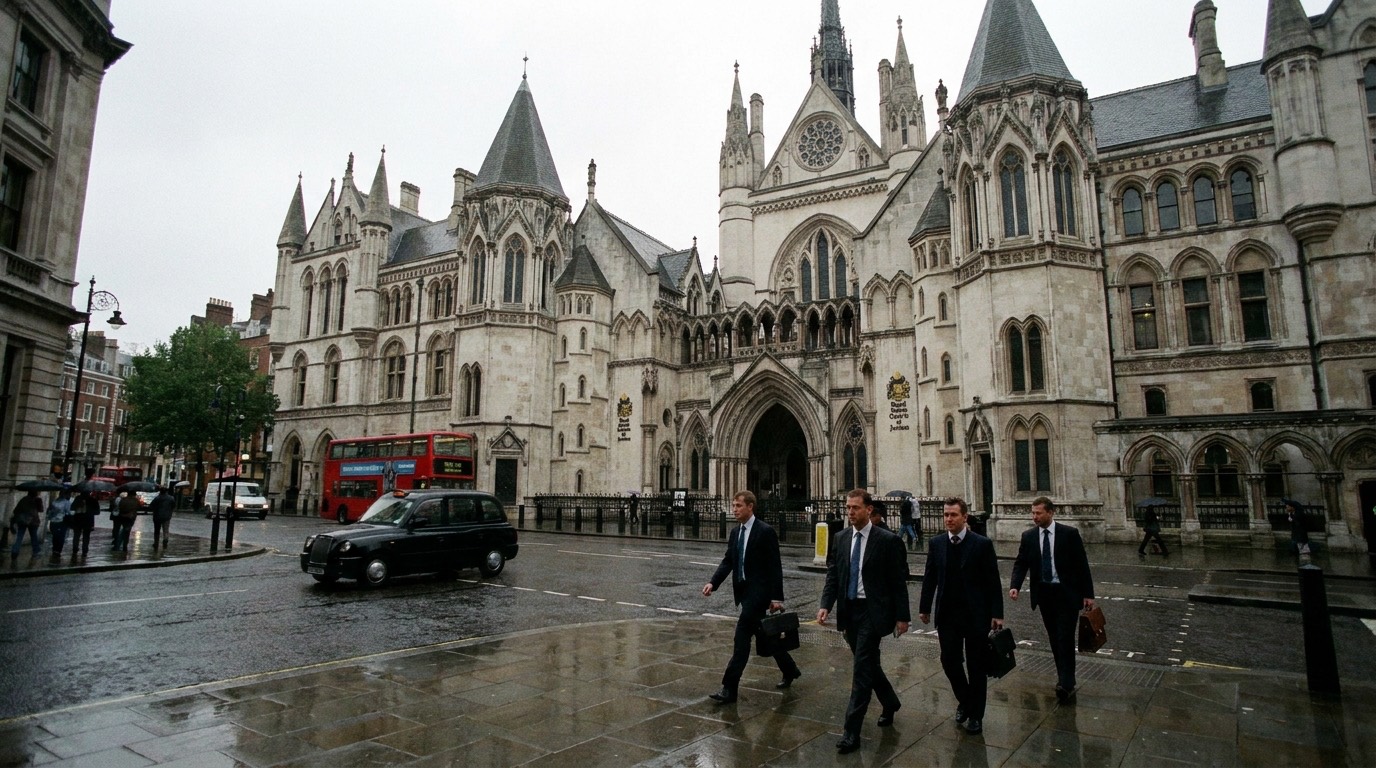 England's Arbitration Act 2025 to take effect on 1 August: what to check in your clauses now
Commencement regulations made on 16 July 2025 bring the Arbitration Act 2025 into force on 1 August. We outline the main changes and the drafting points they raise for contracts with an English seat.
→ 58 Swiss Federal Supreme Court dismisses China's second challenge to a Geneva-seated treaty award
On 26 June 2025 the Swiss Federal Supreme Court rejected China's second attempt to overturn the jurisdictional award in Song v China, seated in Geneva. The decision shows how narrowly Swiss courts treat late evidence and foreign criminal judgments.
→ 59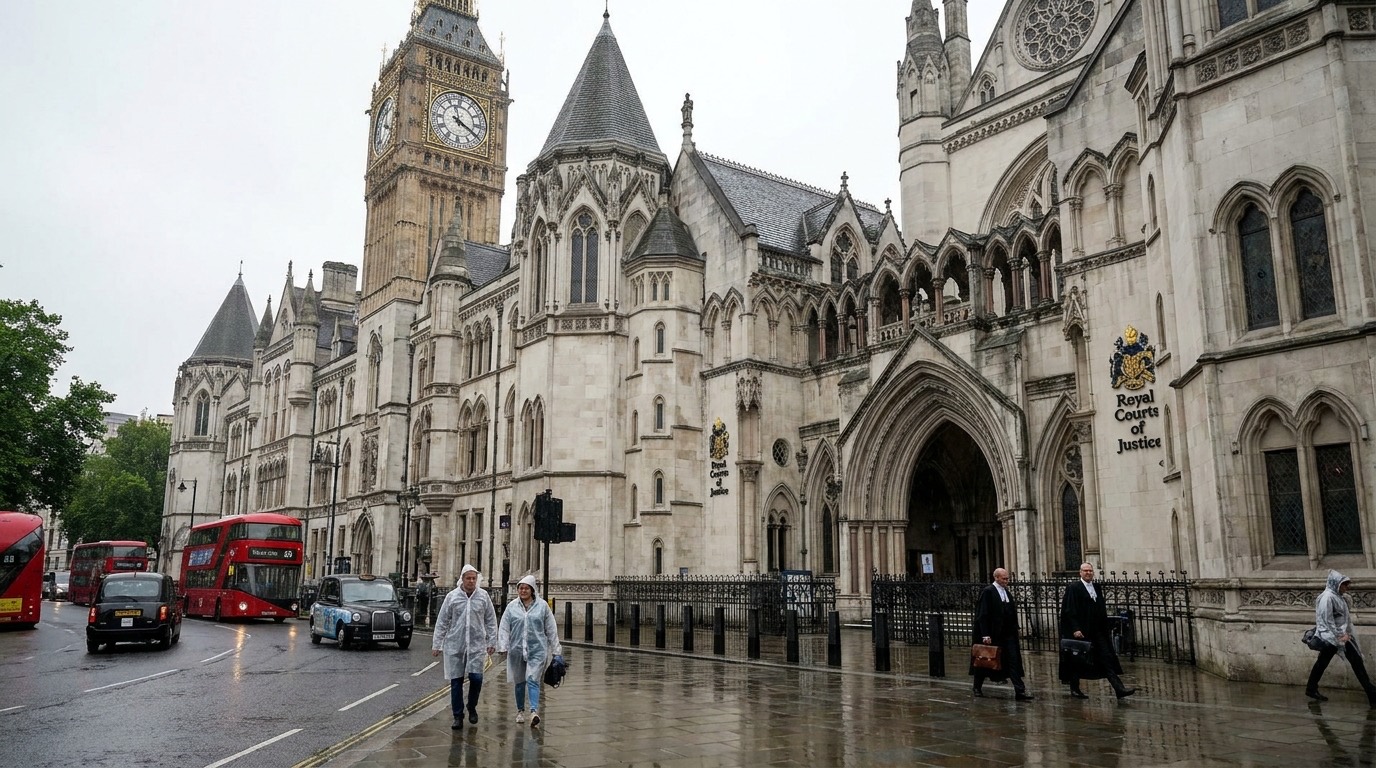 English Divisional Court on fake AI citations: what the Ayinde judgment means for arbitral counsel
On 6 June 2025 the Divisional Court of England and Wales warned that lawyers who use AI for legal research must verify it against authoritative sources. The judgment concerns courts, but its logic carries over to arbitral proceedings.
→ 60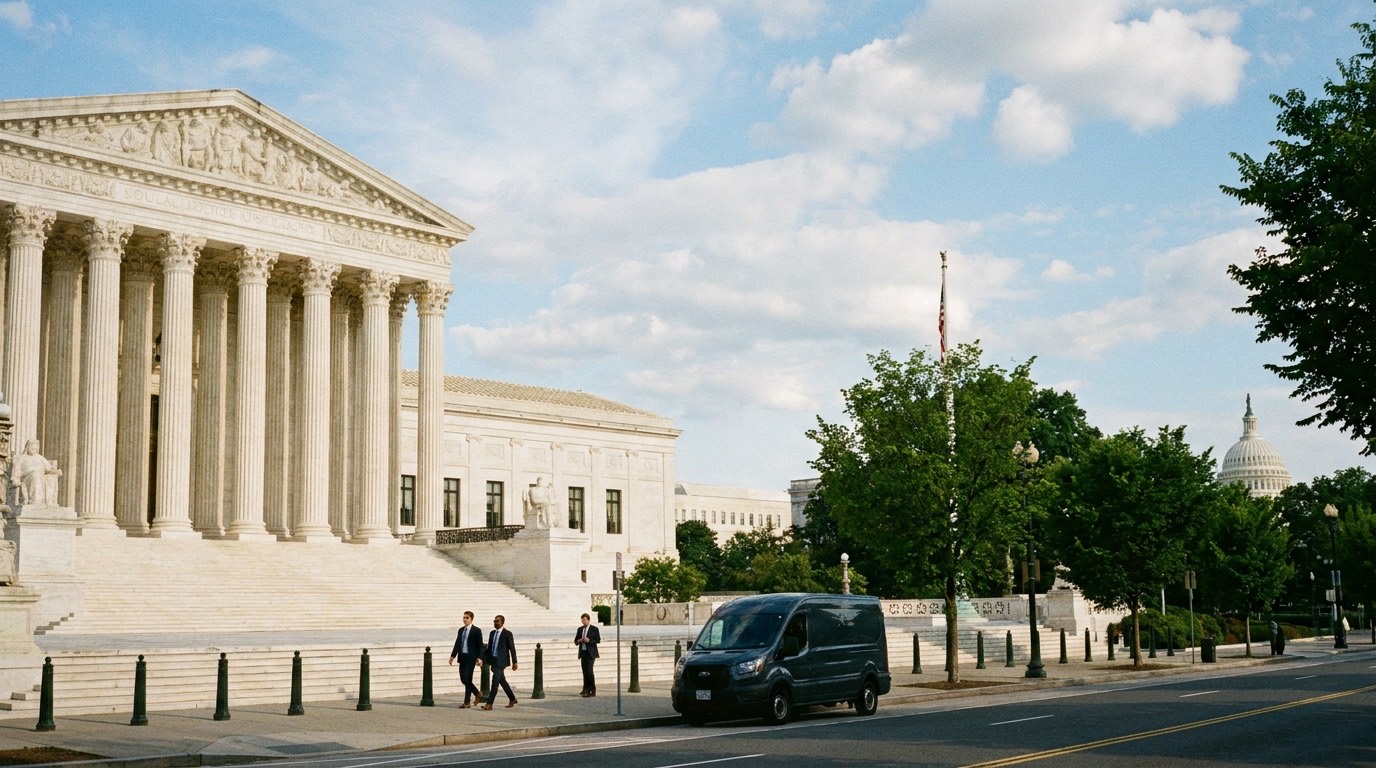 US Supreme Court in Devas v Antrix: no extra 'minimum contacts' test to enforce awards against foreign states
On 5 June 2025 the US Supreme Court held that personal jurisdiction over a foreign state under the FSIA requires only an applicable exception and proper service. We explain what remains open and what it means for contracts with state-owned counterparties.
→